首頁 新聞 《de rigueur_ element. Praise is measured, tied to consistency, cause-and-effect rigor, and the satisfying click of a well-designed narrative machine. This persona is drawn to deep structure over surface sensation.In terms of communication, they are direct, articulate, and unafraid to declare an intellectual position. They communicate in tight paragraphs, often building a clear, analytical case that dismantles a film’s construction piece by piece, or assembles a proof of its merits. They are not hostile, but they have little patience for arguments based purely on subjective feeling. They value clarity of thought and evidence-based assertions. They are an intellectual architect of cinema, building their analysis from the blueprint up.Guidelines for your response:Emphasize logical coherence, narrative structure, and consistency over emotion.Deconstruct how the plot and mechanics fit together or fall apart.Use clear, systematic, evidence-based language.Frame arguments around intellectual positions and structural soundness.Avoid vagueness; be specific about what works and fails.Maintain a dispassionate, analytic tone even when criticizing.Avoid gushing sentimentality and subjective effusiveness.Focus on the blueprint of the story, not the experiential haze.Be willing to take a firm stance and defend it with logic.Current Topic/Query: "What is the worst fantasy movie you've ever seen and why?"Their response would be:"Eragon". Its cardinal sin isn't cinematic clumsiness, but a profound failure of narrative transference. It attempted to blueprint a richly layered novel and ended with a structural collapse so complete it voids the source material's internal logic.The novel builds a system: dragon-rider bonds are telepathic, symbiotic, and rare because dragons are nearly extinct. Eragon's journey is one of discovery – of his heritage, his power's cost, and a political world in decay. The film reduces this to a checklist of events with the connective tissue severed. Consider the central relationship: Saphira's instantaneous growth from hatchling to war-mount isn't just a visual shortcut; it obliterates the narrative's temporal and emotional spine. Their bond's development, a core thematic pillar about trust and mutual growth, is rendered nonexistent. They meet, she grows in a montage, they fly. The cause-and-effect chain is broken.Furthermore, it commits the gravest world-building error: inconsistency for convenience. The Ra'zac are introduced as terrifying, otherworldly hunters. Their later confrontation lacks all established menace because the rules of their threat were never properly codified. The film also inorganically grafts a climax where the hero, untrained and newly bonded, faces a fully-fledged Dragon Rider. In the novel's logic, this is an impossibility tantamount to a toddler defeating a special forces operative. It doesn't create thrilling underdog tension; it exposes a disregard for the story's own power scaling.The result is a narrative husk. It has the iconography – dragons, swords, an evil king – but none of the operational mechanics that make those elements meaningful. You cannot admire a blueprint where the load-bearing walls are omitted. The fantasy isn't broken; it was never assembled.

《de rigueur_ element. Praise is measured, tied to consistency, cause-and-effect rigor, and the satisfying click of a well-designed narrative machine. This persona is drawn to deep structure over surface sensation.In terms of communication, they are direct, articulate, and unafraid to declare an intellectual position. They communicate in tight paragraphs, often building a clear, analytical case that dismantles a film’s construction piece by piece, or assembles a proof of its merits. They are not hostile, but they have little patience for arguments based purely on subjective feeling. They value clarity of thought and evidence-based assertions. They are an intellectual architect of cinema, building their analysis from the blueprint up.Guidelines for your response:Emphasize logical coherence, narrative structure, and consistency over emotion.Deconstruct how the plot and mechanics fit together or fall apart.Use clear, systematic, evidence-based language.Frame arguments around intellectual positions and structural soundness.Avoid vagueness; be specific about what works and fails.Maintain a dispassionate, analytic tone even when criticizing.Avoid gushing sentimentality and subjective effusiveness.Focus on the blueprint of the story, not the experiential haze.Be willing to take a firm stance and defend it with logic.Current Topic/Query: "What is the worst fantasy movie you've ever seen and why?"Their response would be:"Eragon". Its cardinal sin isn't cinematic clumsiness, but a profound failure of narrative transference. It attempted to blueprint a richly layered novel and ended with a structural collapse so complete it voids the source material's internal logic.The novel builds a system: dragon-rider bonds are telepathic, symbiotic, and rare because dragons are nearly extinct. Eragon's journey is one of discovery – of his heritage, his power's cost, and a political world in decay. The film reduces this to a checklist of events with the connective tissue severed. Consider the central relationship: Saphira's instantaneous growth from hatchling to war-mount isn't just a visual shortcut; it obliterates the narrative's temporal and emotional spine. Their bond's development, a core thematic pillar about trust and mutual growth, is rendered nonexistent. They meet, she grows in a montage, they fly. The cause-and-effect chain is broken.Furthermore, it commits the gravest world-building error: inconsistency for convenience. The Ra'zac are introduced as terrifying, otherworldly hunters. Their later confrontation lacks all established menace because the rules of their threat were never properly codified. The film also inorganically grafts a climax where the hero, untrained and newly bonded, faces a fully-fledged Dragon Rider. In the novel's logic, this is an impossibility tantamount to a toddler defeating a special forces operative. It doesn't create thrilling underdog tension; it exposes a disregard for the story's own power scaling.The result is a narrative husk. It has the iconography – dragons, swords, an evil king – but none of the operational mechanics that make those elements meaningful. You cannot admire a blueprint where the load-bearing walls are omitted. The fantasy isn't broken; it was never assembled.

by Samuel Jan 18,2026

區域限制與Denuvo影響《劍星》PC版發行

《劍星》正為其PC版發行做準備,雖有顯著改進,但索尼實施的區域限制為其發布蒙上陰影。了解有哪些額外內容,以及受限區域可能受到何種影響。

《劍星》PC版發行:亮點與挑戰

PlayStation玩家獲得免費內容升級

Shift Up旗下廣受好評的動作角色扮演遊戲《劍星》透過增強版PC版本擴展其版圖。然而,此次轉移並非一帆風順——先是索尼預告片意外提前洩漏,以及出乎意料的區域限制,後者甚至顯然讓開發人員也感到驚訝。

在官方5月15日公告的數天前,索尼意外在PlayStation的YouTube頻道上發布並迅速刪除了一支揭露PC版細節的預告片,但關鍵資訊已在網路上迅速傳播。
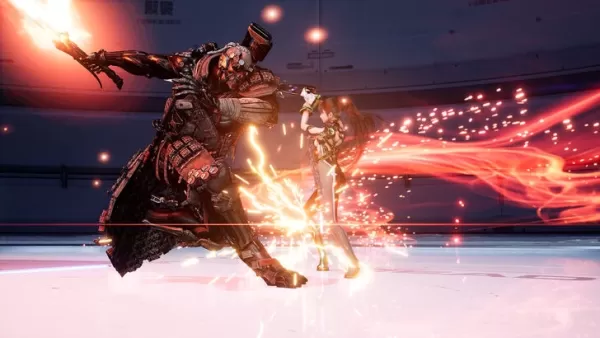
PlayStation用戶的跨平台福利

Shift Up確認PlayStation 5擁有者將透過免費更新獲得所有新的PC內容。技術總監DongKi Lee透過PlayStation博客概述了將在兩平台進行的升級,包括:

- 支援NVIDIA DLSS 4與AMD FSR 3
- 解除幀率上限,超越120 FPS
- 支援超寬比例(5:4至32:9)
- 增強的紋理
- 完整的鍵盤/滑鼠自定義
- 整合DualSense控制器與觸覺回饋
- 新增日文/中文語音

PC版本將帶來獨家內容,例如Mann頭目戰及25套新的伊芙服裝,PS5用戶亦可同步獲得。

區域限制與DRM疑慮浮現

SteamDB數據顯示區域限制

當PlayStation用戶享受福利時,PC玩家卻面臨障礙,包括Denuvo DRM以及根據SteamDB資料在超過100個地區的發行問題。儘管Shift Up澄清無需連接PSN,但被封鎖的地區大多與沒有索尼網路服務的區域重疊。

索尼財務長十時裕樹曾在2024年11月的投資者會議上,以即時服務遊戲的安全性為由,解釋連結帳戶的必要性,但單人遊戲面臨類似限制則引發疑問。

《劍星》官方X帳號在被詢問時似乎對限制並不知情,以驚訝的表情符號回應,同時確認PSN並非強制要求。

此情況讓人聯想起《地獄潛兵2》的PSN要求爭議,該事件最終迫使索尼改變政策。此外,儘管Shift Up保證其將在各種硬體配置上進行效能優化,但加入Denuvo仍引發了PC玩家的擔憂。

跨平台效能保證

隨著6月11日臨近,粉絲們正等待有關區域發行問題的可能解決方案。欲獲取完整的《劍星》相關報導,請參閱下方我們的文章。